Sustainable Living in Farmhouses
As the world shifts towards more eco-conscious lifestyles, sustainable living in farmhouses has gained
popularity. These charming homes not only offer a serene escape from urban life but also embody
practices
that promote environmental stewardship and self-sufficiency. Here’s a look at how farmhouses can serve
as
models for sustainable living.
Key Practices for Sustainable Farmhouses
• Use of Renewable Materials: Farmhouses utilize local, natural materials like wood and straw, reducing
environmental impact and supporting local economies.
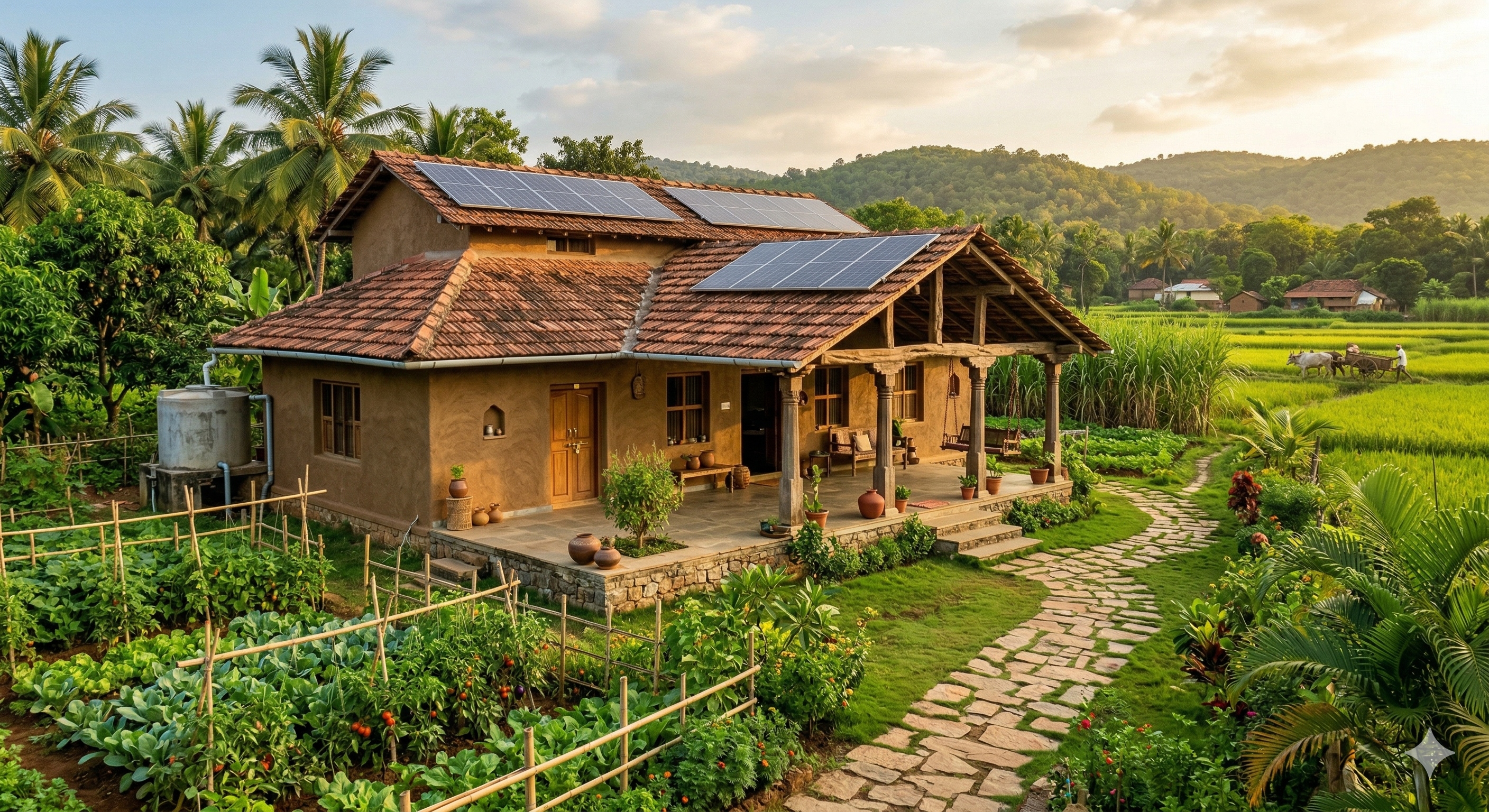
• Energy Efficiency: They often feature designs that maximize natural light and incorporate solar
panels,
lowering utility bills and carbon footprints.
• Water Conservation: Many implement rainwater harvesting and graywater recycling systems, effectively
conserving water for irrigation and household use.
• Waste Reduction: Sustainable farmhouses focus on composting and recycling, turning waste into valuable
compost for gardens.
• Connection to Nature: Living in a farmhouse fosters a closer relationship with nature, promoting
outdoor
activities and mindfulness.
Conclusion
Sustainable living in farmhouses represents a harmonious blend of comfort, eco-consciousness, and
community.
By embracing sustainable practices, farmhouse owners can lead by example, inspiring others to adopt
greener
lifestyles. Whether through renewable building materials, energy-efficient systems, or organic farming,
the
path to a more sustainable future starts at home. So, if you’re considering a move to the countryside,
think
about how you can make your farmhouse a beacon of sustainability!