The Timeless Charm of Farmhouses in Farmlands
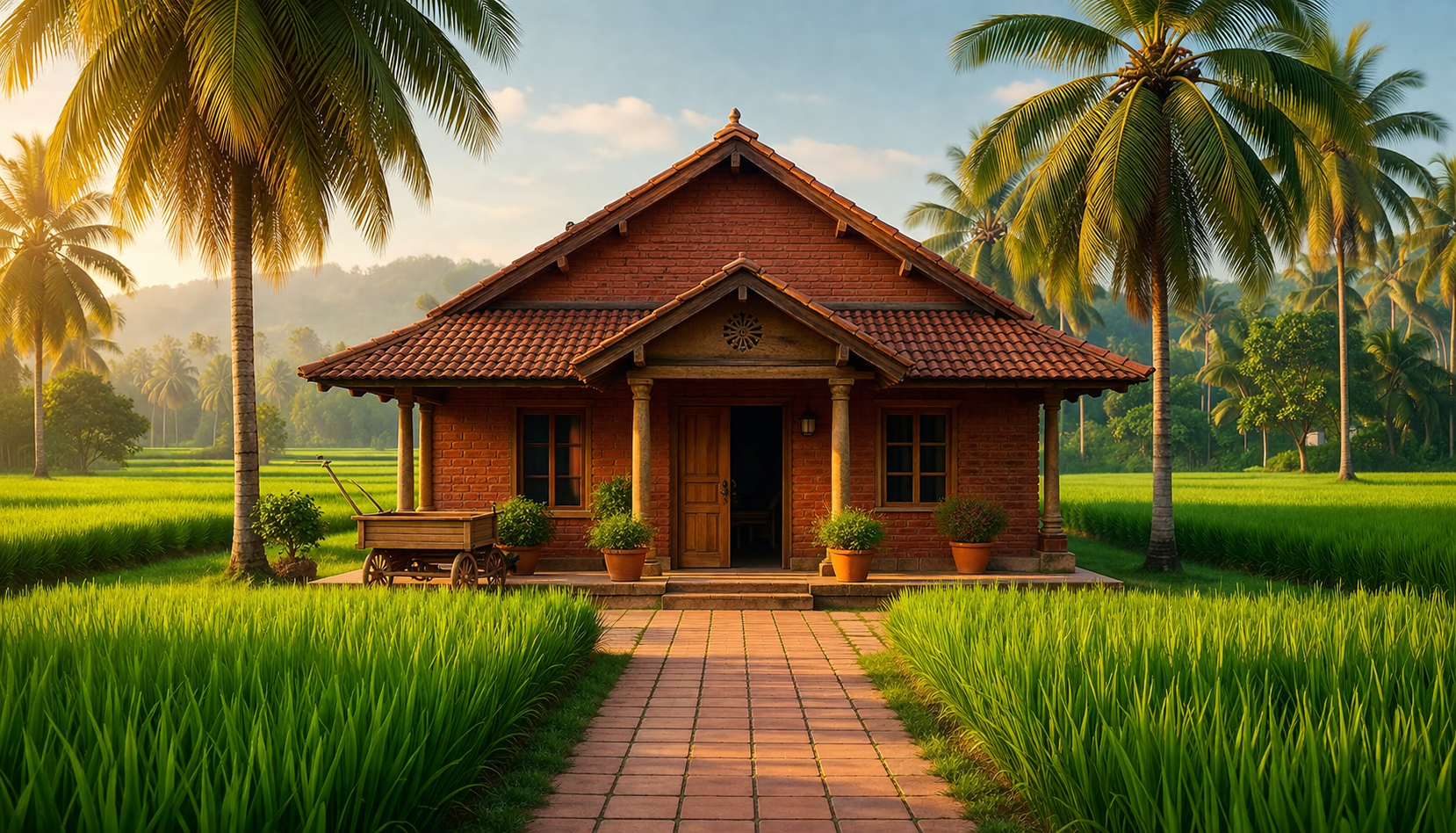
The image of an eco-friendly farmhouse in expansive farmlands symbolizes rural tranquility. But why are
farmhouses situated amidst fields and crops? This blog explores the practical, historical, and aesthetic
reasons behind this enduring tradition.
Key Features of Eco-Friendly Farmhouse Designs
1. Proximity to Agricultural Activities
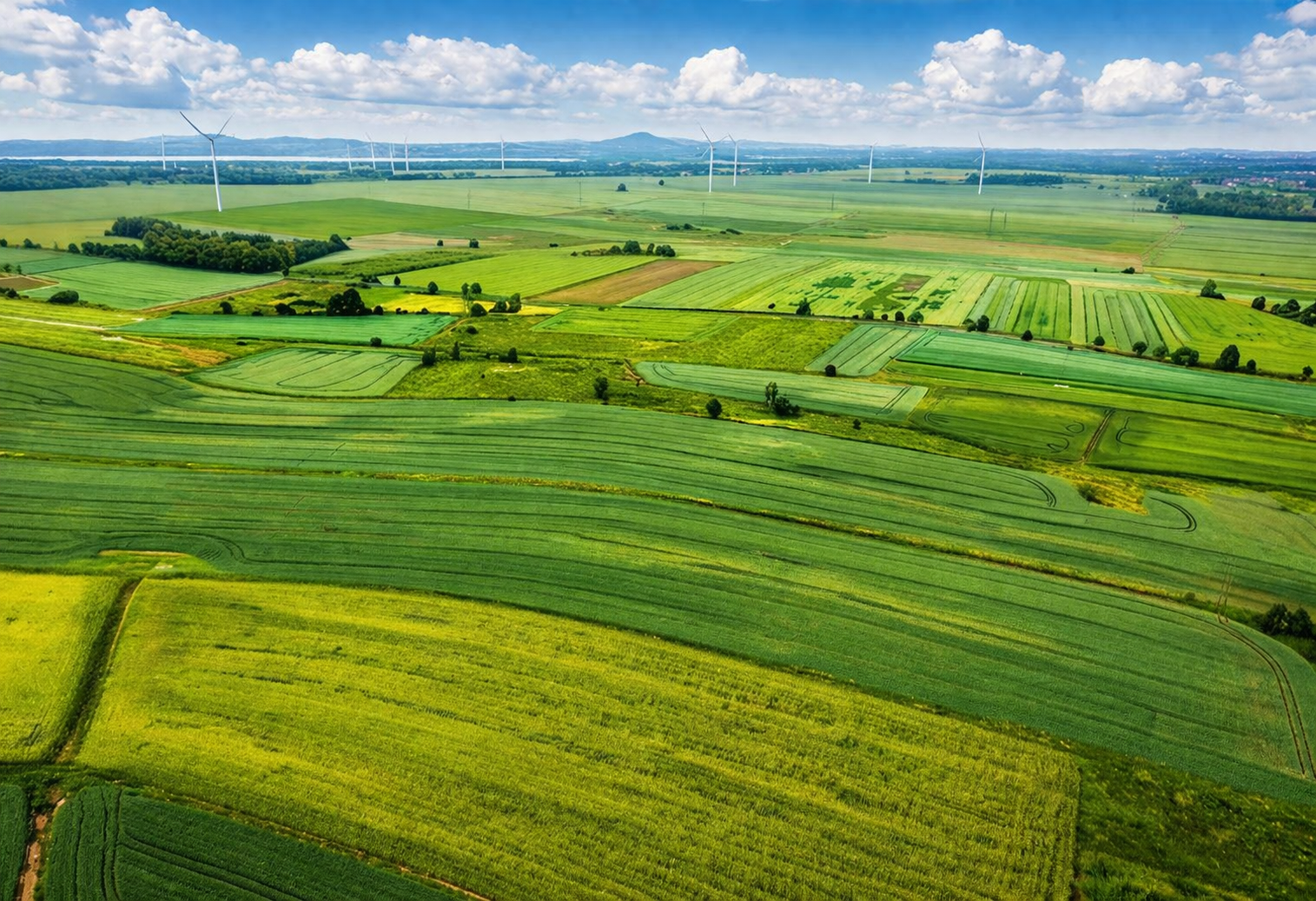
Eco-friendly farmhouse designs are often located near active farmlands, ensuring farmers have easy access to
manage crops, livestock, and other agricultural operations efficiently.
2. Peaceful Retreats Amidst Nature
Surrounded by open fields and greenery, these homes offer a serene escape from urban life. They foster a
deep connection with the environment—an ideal choice for those seeking tranquility and a sustainable
lifestyle. Learn more about biophilic design principles that inspire such nature-connected spaces.
3. Integration with the Agricultural Lifestyle
Designed for both comfort and functionality, eco-friendly farmhouses include spaces for storing tools,
crops, and equipment while maintaining aesthetic appeal. Explore sustainable building materials that make
modern farmhouses energy-efficient and environmentally responsible.
4. Legacy and Tradition
Often passed down through generations, farmhouses represent a family’s agricultural roots and connection to
ancestral values—preserving the timeless charm of rural life.
5. Agricultural Tourism and Rural Retreats
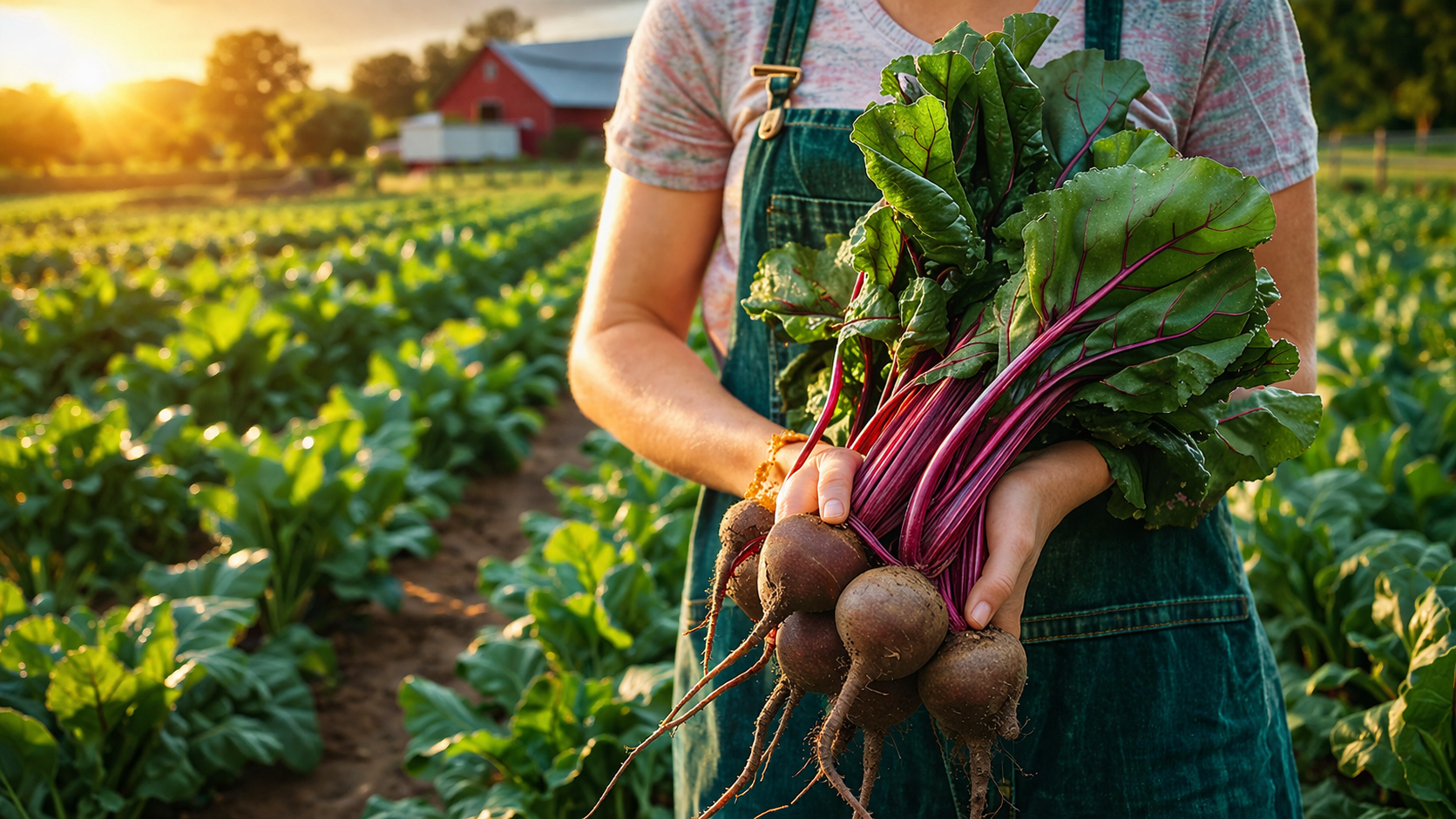
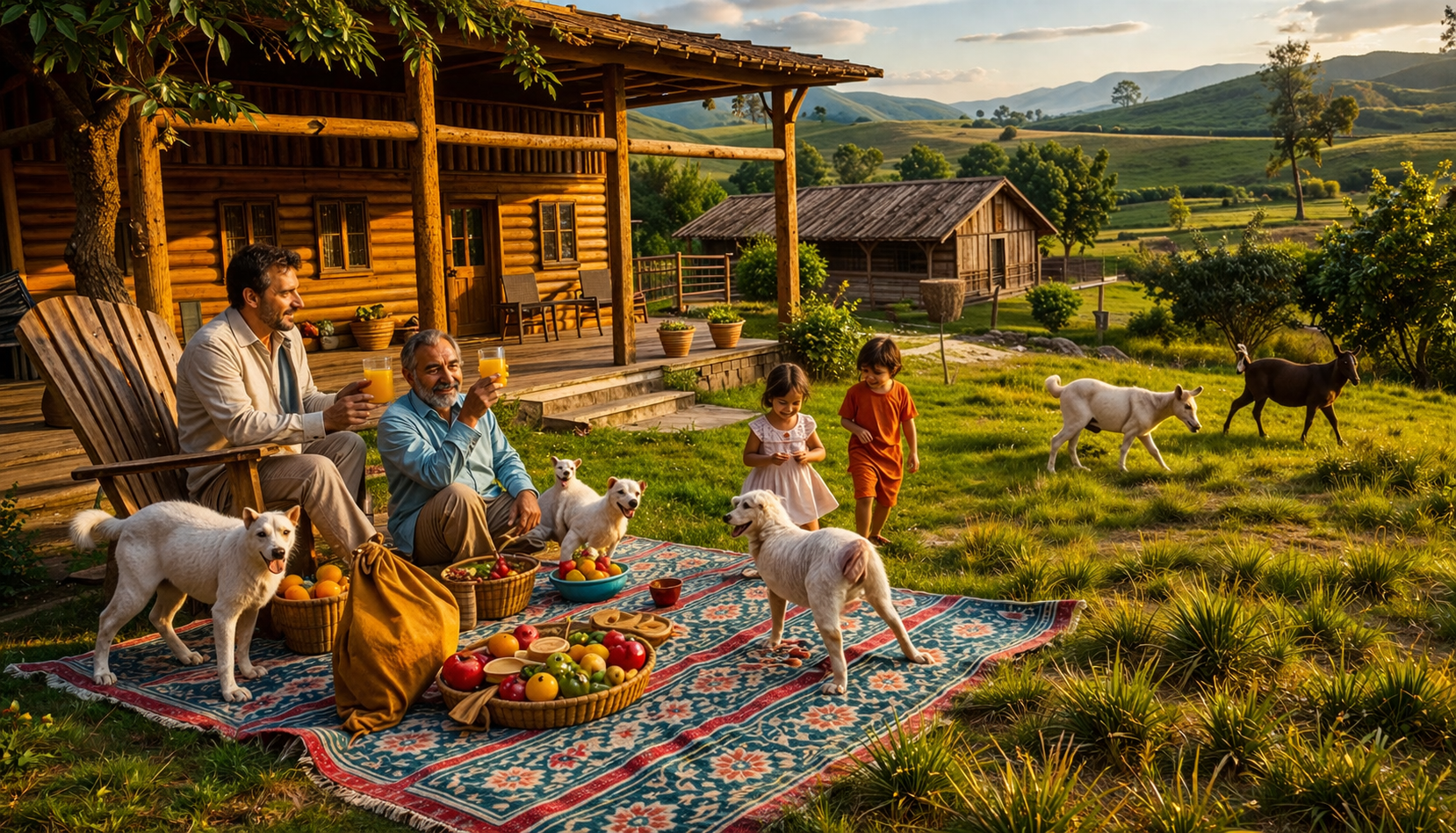
Farmhouses have also become popular for agro-tourism, allowing visitors to experience authentic farm life,
participate in local farming activities, and enjoy fresh produce straight from the field.
Conclusion
Building farmhouses in farmlands reflects a deep connection between individuals, their livelihoods, and
nature. These retreats remind us of agriculture’s essential role in our lives, providing a sanctuary for
those seeking solace in rural living. The allure of farmhouses endures as a testament to the bond between
humans and the land they cherish.